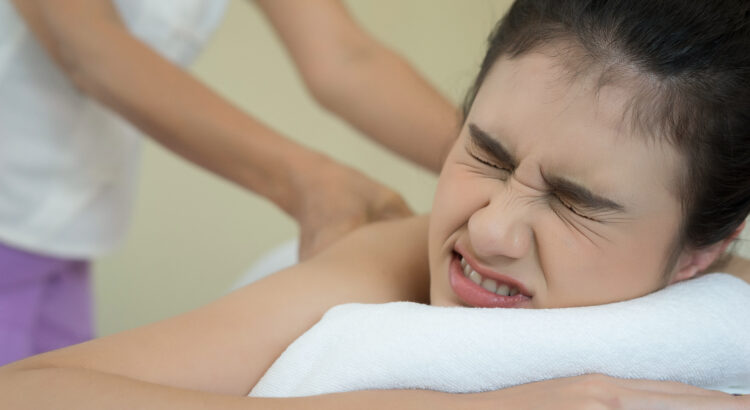
Effective Massage Therapy for Back Pain and Deep Tissue Relief in Manhattan Beach

Popular Spa Treatments Everyone Should Try at Least Once FILED UNDER Blog

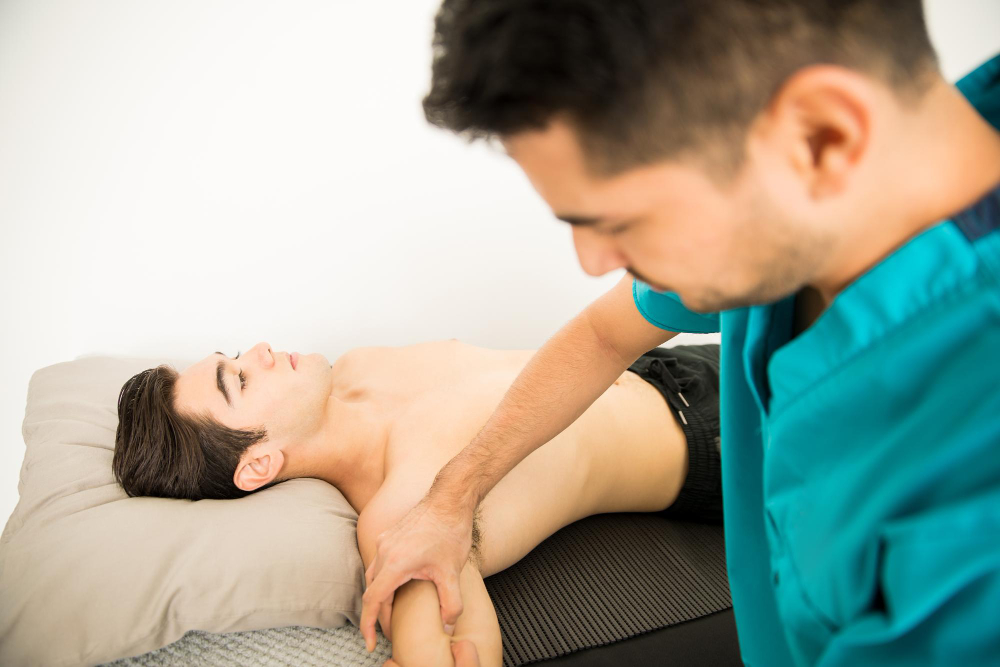
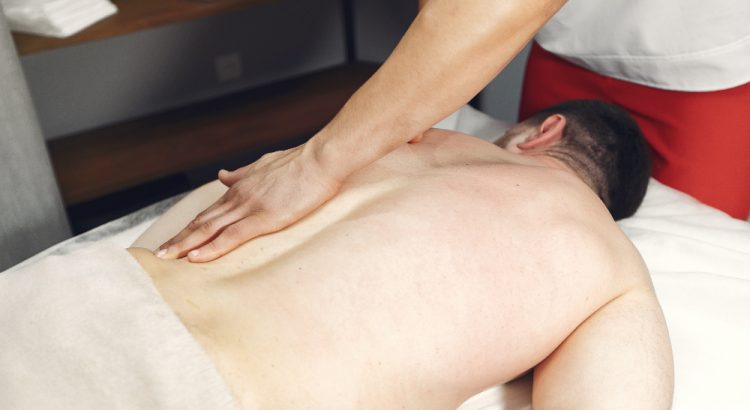
Back pain is something many people deal with at some point in life. It can come from long hours of sitting, physical work, stress, or past injuries. When pain builds up, it can affect how you move, sleep, and focus during the day. Massage therapy offers a simple and practical way to manage this type of discomfort. If you are looking for the best massage in Manhattan Beach, you will find that targeted massage care can help reduce tension and support recovery.

In Manhattan Beach, many people choose to get massages as part of their routine care. It helps relax muscles, improve movement, and support recovery without the need for complex treatments. Whether the pain is mild or ongoing, regular sessions can make daily activities easier and more comfortable.

Back Pain Relief and Deep Tissue Massage in Manhattan Beach

1. Muscle Relaxation and Tension Release

One of the main goals of massage therapy is to relax tight muscles. When muscles stay contracted for long periods, they can cause stiffness and discomfort. Massage helps release this tension through steady and controlled pressure.

As the muscles loosen, you may notice improved comfort in your lower back, shoulders, and neck. This is often the first step toward pain relief.

2. Improved Blood Circulation

Massage supports better blood flow throughout the body. When circulation improves, muscles receive more oxygen and nutrients. This helps the body repair itself and reduces inflammation.

Good circulation also helps remove waste products that build up in muscle tissue. Over time, this can lead to less pain and better mobility.

3. Support for Active Lifestyles

If you are physically active, your muscles go through regular stress. Exercise, sports, or manual work can lead to soreness or tightness. Massage therapy helps your body recover after these activities.

For those looking for deep-tissue massage in Los Angeles, deep-pressure techniques are often used to support muscle recovery and reduce stiffness after activity.

This helps you stay active without long breaks caused by pain or discomfort.

4. Better Posture Support

Many people develop back pain due to poor posture. Sitting at a desk, using phones, or standing incorrectly can put strain on the spine. Massage helps loosen tight muscles that pull the body out of alignment.

With regular sessions, your body can maintain a more natural posture. This reduces pressure on your back and helps prevent future discomfort.

5. Stress Reduction and Relaxation

Stress is often linked to physical pain. When you are stressed, your muscles tend to tighten without you noticing. This can make back pain worse over time.

Massage therapy helps calm the nervous system. As your body relaxes, muscle tension decreases, and you may feel more balanced both physically and mentally.

6. Consistency for Long-Term Results

One session can help you feel better, but regular sessions provide more lasting results. Consistency allows the body to adjust and maintain a healthier muscle balance.

When you receive a massage on a regular schedule, tension is less likely to build up again. This helps reduce recurring pain and supports overall well-being.

For those looking for a structured routine, a back massage in Los Angeles can be a useful part of ongoing care for managing discomfort.

7. Targeted Deep Tissue Work

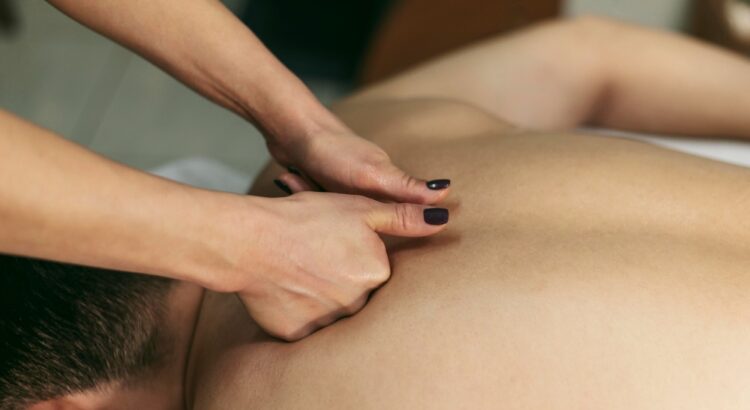
Deep tissue massage focuses on deeper layers of muscle and connective tissue. It uses slow and firm pressure to reach areas that store long-term tension.

If you are searching for the best massage in Manhattan Beach, you may come across services that include deep tissue techniques as part of their approach. This type of massage is often used for chronic pain, stiffness, and muscle knots.

8. Pain Management Approach

Massage is often used as part of a broader plan for managing pain. Instead of focusing only on symptoms, it works on the muscles and tissues that contribute to the problem.

People who need structured care may look into pain management in Manhattan Beach. These services often include massage as a key method for reducing ongoing discomfort and improving daily functioning.

In The End

Massage therapy is a practical way to manage back pain and improve muscle function. It helps reduce tension, support circulation, and restore movement. Deep tissue techniques can address deeper muscle layers, making them useful for chronic pain and long-term stiffness.

When used regularly, massage can become part of a healthy routine that supports both physical comfort and daily performance. Choosing a service that understands your needs is important for getting the right results.

Massage Revolution provides massage services to help you manage back pain and maintain better overall wellness through consistent, focused care.

FAQs

How often should you get massage therapy for back pain?

It depends on your condition. Many people start with weekly sessions and then adjust based on progress and comfort level.

Is deep tissue massage suitable for everyone?

Deep tissue massage is helpful for many people, but it may not be suitable for certain medical conditions. It is best to consult a trained therapist before starting.

Will a massage completely remove back pain?

Massage can reduce pain and improve movement, but results depend on the cause of the pain. It works best when combined with regular care and healthy habits.
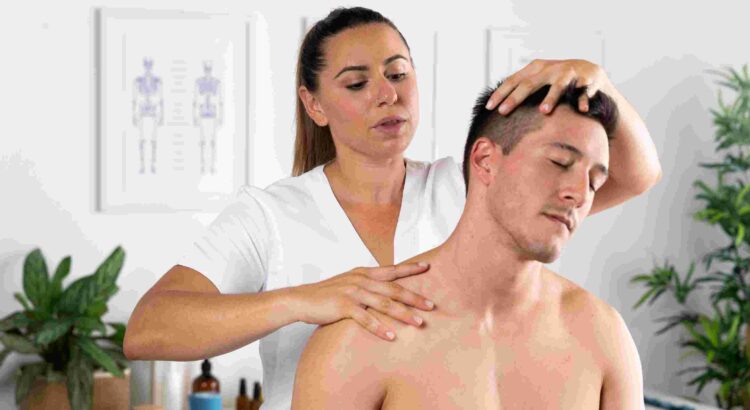
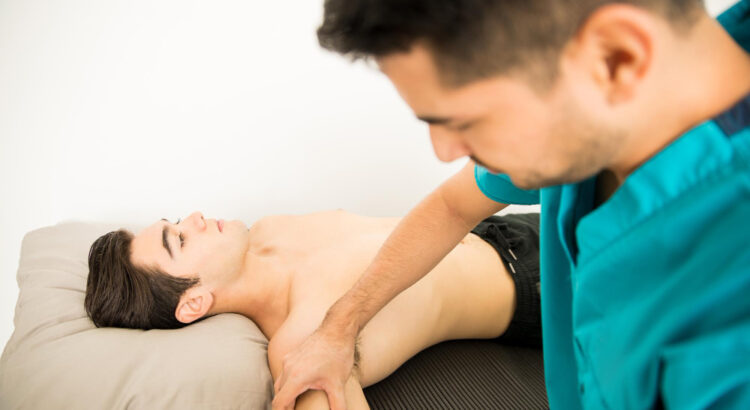
What is the difference between a neuromuscular massage and a regular massage?

Between a neuromuscular massage and a regular massage FILED UNDER Blog

If you get massages often, you may notice that different techniques give different results. Some sessions help you relax, while others focus on reducing pain or improving movement. When you understand these differences, it becomes easier to choose the right treatment for your needs.

Regular massage is the type that many people try first. It focuses on relaxation, circulation, and easing general muscle tension. Many people choose it after a long work week or when daily stress makes the body feel tight.

Neuromuscular massage works in a more targeted way. Instead of focusing only on relaxing muscles, it examines how muscles and nerves interact. The therapist works on specific points that may cause tension, pain, or limited movement.

If you have ongoing neck or back discomfort, learning about neuromuscular massage in Manhattan Beach can help you see how focused therapy may address the source of muscle pain, not just the symptoms.

Knowing the difference between these approaches can help you choose the massage that fits your body and lifestyle.

What is the difference between a neuromuscular massage and a regular massage?

1. The main goal of the treatment

The biggest difference between these two massage styles lies in their goals.

Regular massage focuses on relaxation and general tension relief. The therapist uses smooth strokes to help your body relax and improve circulation. Many people schedule these sessions to reduce stress or unwind after a busy week.

Neuromuscular massage focuses on solving muscle problems. The therapist looks for tight areas, trigger points, and muscle patterns that may cause pain. The goal is to address the source of the problem rather than just help you relax.

2. How trigger points are treated

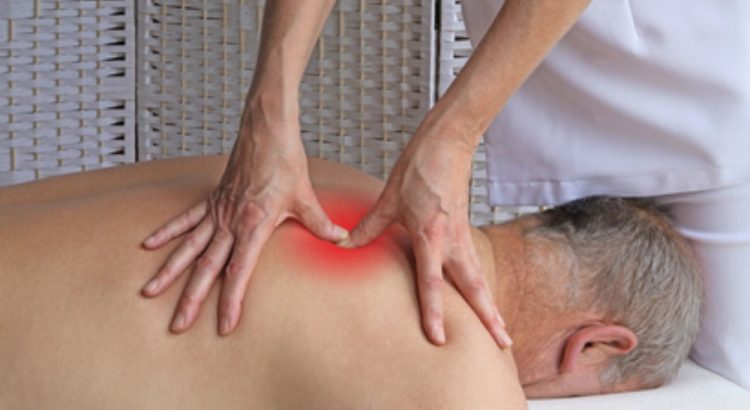
Trigger points are tight spots inside muscle fibers. They can cause pain where they form, or they may send pain to another part of the body.

Regular massage may pass over these areas while working on larger muscles. Neuromuscular therapy, however, focuses directly on these points.

Therapists often use trigger point massage techniques to apply steady pressure to these tight spots. This pressure helps release tension and restore normal muscle function.

When the trigger point relaxes, the muscle can move more freely, and pain may decrease.

3. The level of pressure used during treatment

You may notice a difference in pressure during the session. Regular massage usually uses light to moderate pressure with smooth strokes that support relaxation and circulation. 

Neuromuscular massage uses deeper, slower pressure on specific muscles to release tight areas that cause discomfort. Your therapist will check in with you to keep the pressure comfortable.

4. The way the therapist approaches the body

A regular massage often follows a routine that covers the full body. The therapist moves from the back to the shoulders, arms, legs, and sometimes the neck.

Neuromuscular therapy works differently. Instead of covering the entire body evenly, the therapist focuses on problem areas. These areas may include the neck, lower back, shoulders, or hips.

Many people learn more about these targeted techniques through the power of neuromuscular massage therapy, which explains how focused pressure can help reduce chronic tension and improve movement.

5. The types of pain each method addresses

Regular massage helps with general muscle tightness and stress. It is useful when your body feels tired, but you do not have a specific injury or ongoing pain. Neuromuscular massage focuses on more specific issues, such as:

  • Neck stiffness from computer work
  • Lower back pain from long sitting hours
  • Shoulder tension from repeated movement
  • Muscle imbalance from sports

By working on the muscles linked to the pain, the therapist helps restore balance and improve movement.

6. How long the benefits may last

Many people feel relaxed after a regular massage. The muscles feel loose, and the body feels calm. However, if the root cause of the tension remains, the tightness may return after a few days.

Neuromuscular therapy aims to create longer-lasting improvement. By releasing trigger points and correcting muscle imbalance, the therapy helps address the cause of discomfort.

Over time, this approach may improve posture and reduce recurring pain.

7. The level of therapist assessment involved

Regular massage usually starts quickly after a short conversation about your preferences.

Neuromuscular therapy often begins with a brief assessment. The therapist may ask about your posture, movement habits, or areas of pain during daily activities.

This information helps the therapist choose which muscles need treatment.

8. The experience during the session

Regular massage sessions feel calming and rhythmic. Many people feel sleepy during the treatment.

Neuromuscular sessions require more of your feedback. The therapist may ask where the pressure feels strongest or whether the discomfort changes during the session.

This communication helps the therapist work more precisely.

9. Which method may suit your lifestyle

If your main goal is relaxation, regular massage may be enough. It supports stress relief and general muscle comfort.

If you experience ongoing tension from exercise, desk work, or physical labor, neuromuscular therapy may provide more targeted results.

Many active adults who want targeted muscle care often seek professional massage in Manhattan Beach to support recovery and improve movement over time.

Conclusion: Choosing the massage approach that fits your needs

Both regular massage and neuromuscular massage offer benefits, but they serve different purposes.

Regular massage helps you relax, reduce stress, and improve circulation. It works well when your muscles feel tight after a long week.

Neuromuscular massage focuses on muscle problems. It targets trigger points, nerve pressure, and muscle imbalance that may cause ongoing pain.

When you understand these differences, you can choose the treatment that fits your needs. Professional care from Massage Revolution provides targeted neuromuscular therapy to help you reduce pain, move better, and stay active.

What Are the Different Types of Sports Massage?

Sports Massage FILED UNDER Blog

If you deal with tight muscles, back pain, or neck stiffness, you are not alone. Long workdays, hard workouts, and stress can all affect how your body feels and moves. Over time, small aches can turn into ongoing pain if left untreated. That is where sports massage can play a helpful role in your routine.

You do not have to be a pro athlete to benefit. Many active adults and office workers look for a sports massage in Manhattan Beach to stay ahead of pain and movement limits. Sports massage focuses on how your muscles work, not just how relaxed you feel. It can support recovery, improve mobility, and help manage muscle tension from both exercise and daily life.

Sports Massage

There is more than one style of sports massage. Each type has a different goal. Some prepare your body for activity, while others help you recover or deal with long-term tightness. Learning the difference can help you choose what fits your needs.

Different Types of Sports Massage

Pre-Event Sports Massage

This type of massage helps you get ready for movement. You would schedule it before a workout, race, or sports event. The goal is to wake up your muscles and improve blood flow.

The therapist uses quick, light strokes and gentle stretching. The focus stays on the muscles you are about to use the most. Pressure is not very deep because the goal is not to fix pain during this session. Instead, it helps your body feel loose and ready. Sessions are short, often lasting less than 20 minutes.

Post-Event Sports Massage

This massage happens after physical activity. Your muscles may feel tired, tight, or sore. Post-event work focuses on helping your body calm down and begin the recovery process.

The therapist uses slower movements and lighter pressure than in deep work. This can help move fluid through the muscles and reduce the feeling of stiffness. If you have ever searched for a massage near me after a tough workout, this is often the kind of session your body needs. It supports recovery without adding more stress to already tired tissue.

Maintenance Sports Massage

Maintenance massage is used on a regular schedule, not just before or after sports. It helps you manage muscle tension that builds up from workouts, long hours at a desk, or daily stress.

During this session, the therapist looks for tight spots, limited range of motion, and muscle imbalance. Some muscles may be doing too much work, while others do not do enough. Over time, this can affect posture and joint movement. Regular sessions help keep your muscles working more evenly and may reduce the risk of strain.

Neuromuscular Therapy

Neuromuscular therapy is a focused method often used during sports massage. It works on trigger points, which are small, tight areas inside a muscle. These spots can cause pain where they are located or in other parts of your body.

The therapist applies steady pressure to these points to help the muscle relax and return to a more normal state. This method also looks at how nerves and muscles work together. If you are new to this kind of bodywork, reading about what to expect during a sports massage session can help you feel more prepared. Neuromuscular therapy is often used for ongoing neck, shoulder, and low back pain.

Myofascial Release

Myofascial release focuses on fascia, the thin layer of tissue that surrounds your muscles. When fascia becomes tight, it can limit movement and add to pain.

This method uses slow, steady pressure and gentle stretching. The therapist holds pressure for longer periods to allow the tissue to loosen. Movements are slow on purpose. This helps the tissue adjust without forcing it. Myofascial work is often helpful if you feel stiff, have posture issues, or notice that your range of motion is limited.

Deep Tissue Sports Massage

Deep tissue massage works on deeper layers of muscle and connective tissue. It is used when you have long-term tightness or areas that feel stuck.

The therapist uses slow strokes and firmer pressure to reach deeper muscle layers. This can help reduce thick bands of tension that build up over time. You might feel strong pressure, but it should stay at a level you can manage. Clear communication helps the therapist adjust the depth so the work stays helpful and not overwhelming. Many people who book a massage in Manhattan Beach receive a mix of deep tissue and other sports massage methods.

Wrapping Up!

Sports massage is not just one technique. It includes several types of hands-on methods that support how your muscles move, recover, and handle stress. Pre-event and post-event sessions focus on timing around the activity. Maintenance massage supports your body between workouts and during busy workweeks. Neuromuscular therapy, myofascial release, and deep tissue work each target different layers of muscle and tension patterns.

When you understand these options, you can make better choices for your body and your schedule. Regular care can help you manage pain, improve movement, and stay active in daily life. If you are looking for structured, goal-focused bodywork, Massage Revolution offers sports massage services designed to support long-term muscle health.

How Often Should You Massage Trigger Points?

Massage Trigger Points FILED UNDER Blog

If you live an active life, work long hours, or sit at a desk most of the day, you have likely felt muscle knots. These knots are often trigger points. They are tight areas inside a muscle that can cause pain, stiffness, or limited movement. Sometimes the pain stays in one spot. Other times, it spreads to nearby areas like the neck, shoulders, or lower back.

Massage Trigger Points

Massage is one of the most common ways people try to manage trigger point pain. It helps relax tight muscles and improve blood flow. But massage only works well when it is done at the right time and with the right frequency. Too much massage can irritate muscles. Too little may not bring relief.

Many people start searching for focused care, such as trigger point massage in Manhattan Beach, because they want more than short-term comfort. They want real improvement that fits into their daily routine. Knowing how often to massage trigger points helps you avoid setbacks and supports long-term muscle health.

This guide helps you understand how often to massage trigger points and what you can do between sessions to support recovery.

How Often Should You Massage Trigger Points?

There is no single schedule that works for everyone. Your body, activity level, and pain history all matter. The goal is to reduce tension while giving muscles enough time to heal.

If your pain is mild or linked to stress or posture, massage once every one to two weeks is often enough. This works well if you exercise regularly and feel tight but not limited. These sessions help prevent trigger points from building up over time.

If you have moderate pain, stiffness, or reduced movement, twice weekly sessions are usually more helpful. Even three times a week for just a couple weeks until pain levels subside can be most effective. This frequency allows the therapist to address problem areas while your muscles recover between visits. Many people notice better movement and less daily discomfort after several weeks.

Chronic pain or old injuries need a more careful plan. In these cases, one or two or three sessions per week may be suggested at first. As your pain improves, sessions are spaced out. This approach supports progress without stressing sensitive tissue.

People who often look for a massage near me may not realize that consistency matters more than intensity. Trigger points respond best when massage is part of a plan, not a last-minute fix. When sessions are spaced correctly, muscles relax, nerves calm down, and movement feels easier.

Tips to Support Trigger Point Care Between Sessions

1. Drink enough water each day

Your muscles are made mostly of water. When you are dehydrated, muscle fibers tighten and recover more slowly. Drinking enough water helps keep tissues flexible, supports circulation, and allows your body to respond better after massage sessions.

2. Stretch gently, not aggressively

Gentle stretching helps maintain muscle length and reduces stiffness. Focus on areas that tend to tighten, such as the neck, hips, calves, and upper back. Hold each stretch without bouncing and breathe steadily. Stretching should feel relieving, not painful.

3. Pay attention to posture

Poor posture places constant stress on certain muscles. Keep your screen at eye level, sit with both feet on the floor, and avoid rounding your shoulders. Even small posture changes throughout the day can reduce trigger point buildup.

4. Use heat to relax tight muscles

Heat increases blood flow and helps muscles loosen. A warm shower, heating pad, or warm towel for 10 to 15 minutes can reduce stiffness. Heat works best before stretching or light movement, especially after long periods of sitting.

5. Avoid pushing through pain

Pain is a signal, not something to ignore. Exercising or working through sore muscles can keep trigger points active. If an area feels irritated, reduce intensity or rest for a short time. Recovery helps muscles respond better to therapy.

6. Use self-care tools with care

Massage balls, foam rollers, and similar tools can help between sessions when used correctly. Apply light pressure and limit use to short periods. Too much force or time can irritate sensitive tissue and slow progress.

7. Manage daily stress

Stress causes muscles to tighten without movement. Deep breathing, short walks, or quiet breaks during the day help reduce tension. Less stress supports better muscle balance.

Understanding – what is Trigger Point Massage – can also help you understand why these habits matter. Trigger point care works best when massage and daily habits support each other.

Key Takeaways

Trigger point massage is most effective when it follows a clear plan. How often you should massage trigger points depends on your pain level, activity, and how your body responds. Mild tension may need less frequent care, while chronic pain often needs a structured schedule at first.

What you do between sessions matters just as much. Hydration, posture, gentle movement, and stress control all help muscles recover. These habits make each session more effective and reduce flare-ups.

When massage and self-care work together, you support long-term comfort and movement. This balanced approach is what Massage Revolution focuses on, helping you manage pain, stay active, and feel more in control of your body.

What Is a Deep Tissue Massage?

Deep Tissue Massage FILED UNDER Blog

Muscle pain and stiffness can hinder your daily activities, whether you spend your day sitting at a desk, running errands, or working out at the gym. If you’ve ever felt that deep, nagging tightness that stretching can’t fix, you’re not alone. Many people turn to massage therapy for relief, but one specific type often stands out as deep tissue massage in Manhattan Beach.

This kind of massage focuses on the deeper layers of muscle and connective tissue. It’s not just about relaxation; it’s about helping your body move and feel better. 

Here, we’ll talk about what a deep tissue massage is, how it works, how it differs from other therapies, and what to expect when you book a session. Let’s see!

What Is a Deep Tissue Massage?

A deep tissue massage focuses on the deeper layers of muscles and connective tissue. It uses slow, firm strokes and steady pressure to reach tight or injured areas. The goal is to release knots, reduce pain, and improve movement.

People often get deep tissue massages to help with:

  • Ongoing back, neck, or shoulder pain
  • Sports or workout recovery
  • Muscle stiffness from sitting too long
  • Posture-related tension

If you’ve ever searched for a massage near me, you’ve probably noticed deep tissue massage listed as one of the main services. That’s because it’s one of the most effective techniques for managing everyday muscle pain and maintaining good mobility.

How Does Deep Tissue Massage Work?

You may wonder what actually happens during a deep tissue massage. It’s not just firm pressure; it’s a structured process that helps your body relax and heal.

Here’s what usually happens:

  1. Warming up your muscles: The therapist begins with lighter strokes to get the blood flowing and loosen the surface muscles.
  2. Applying steady pressure: Once your body is ready, they use slow, deep strokes with their fingers, forearms, or elbows to reach deeper muscle layers.
  3. Releasing knots: They focus on areas that feel tight or sore, holding pressure until the muscle releases.
  4. Encouraging balance: As muscles loosen, your body starts to feel more balanced, less restricted, and easier to move.

A deep tissue massage works by improving circulation and reducing inflammation in tight areas. When done regularly, it can even help prevent future tension from building up. Communication during the session is key. Let your therapist know if the pressure feels too strong — the goal is to help you, not to cause pain.

A therapeutic massage like this can also help with recovery after workouts or sports activities. It supports your muscles in repairing and staying flexible over time.

Deep Tissue Massage vs. Other Therapies

Many people confuse deep tissue massage with other types of massage or bodywork. While they may look similar, the purpose and pressure used are different.

Type of Therapy Focus Purpose
Swedish Massage Light pressure and long strokes General relaxation and stress relief
Deep Tissue Massage Firm, targeted pressure Releasing muscle knots and chronic tightness
Physical Therapy Exercises and mobility training Rebuilding strength after injury
Trigger Point Massage Direct pressure on pain spots Reducing tension and referred pain

A deep tissue massage is for individuals seeking relief from tight muscles, not just relaxation for an hour. It’s especially useful for individuals who exercise frequently, work in high-stress environments, or experience discomfort related to poor posture.

If you notice sharp or pinpointed pain, that might come from a knot known as a “trigger point.” In that case, you might benefit from trigger point massage, which directly targets those spots for faster relief.

What to Expect During a Session

If it’s your first time getting a deep tissue massage, it’s helpful to know what to expect. When you arrive, your therapist will ask about your areas of pain, your activity level, and what you would like to focus on. This short chat helps them plan the best approach for your body.

During the massage, you’ll lie on a padded table, and the therapist will start with light pressure before working deeper into the muscles. You may feel some discomfort, especially in tight areas, but it shouldn’t feel unbearable. Always speak up if you need the pressure adjusted.

Afterward, you might feel a little sore, like how your muscles feel after a good workout. That’s normal. Drinking water, stretching lightly, and resting can help reduce any soreness.

Most sessions last 60 to 90 minutes. Some people schedule them once a month, while others do so more frequently, depending on how their body feels and their level of activity.

Let’s Sum Up!

A deep tissue massage goes beyond surface relaxation — it helps your body release deep tension, improve movement, and recover from daily stress. Whether you’re an athlete, a busy professional, or someone who sits for hours at a computer, this type of massage can make a big difference in how you feel and function every day.

For lasting relief from muscle tightness or pain, consider scheduling a session at Massage Revolution. Their skilled therapists understand how to personalize your treatment so you can move better, feel better, and live pain-free.

How Neuromuscular Therapy Can Transform Your Health and Well-being

FILED UNDER Blog

In our fast-paced lives, stress and pain often become unwelcome companions. Fortunately, Neuromuscular Therapy (NMT) offers a powerful solution for those seeking to reclaim their health and well-being. This transformative treatment addresses not only the symptoms but also the underlying causes of pain, leading to lasting relief and improved quality of life. Whether you’re struggling with chronic pain or seeking to enhance your overall wellness, NMT can make a significant difference—especially for those in need of effective neck pain massage Manhattan Beach.

What is Neuromuscular Therapy?

Neuromuscular therapy is a specialized form of manual therapy that focuses on relieving muscle tension, improving blood circulation, and restoring function. It combines various techniques, including trigger point therapy, deep tissue massage, and myofascial release, to target specific areas of pain.

Key Principles of NMT:

  • Muscle Activation: NMT helps activate underused muscles, which can lead to better overall function and balance. This is particularly important for individuals recovering from injuries or those with sedentary lifestyles.
  • Trigger Point Release: This technique targets sensitive areas within muscle tissue, known as trigger points, that can cause pain not only locally but also in other parts of the body. By releasing these points, NMT can provide significant pain relief.
  • Posture Correction: NMT emphasizes proper alignment and posture correction, addressing the root causes of discomfort, such as neck pain. Good posture is essential for maintaining spinal health and preventing muscle strain.

How Does Neuromuscular Therapy Work?

The essence of NMT lies in its ability to understand the intricate relationship between the nervous system and musculoskeletal health. By focusing on specific trigger points and areas of tension, NMT helps to:

  1. Reduce Muscle Tension: By applying targeted pressure to tight muscles, NMT alleviates pain and restores mobility. This is crucial for individuals with chronic tension who may experience discomfort in their daily activities.
  2. Enhance Blood Flow: Improved circulation not only accelerates healing but also nourishes tissues, promoting recovery and overall health. Better blood flow can help remove metabolic waste products that contribute to muscle soreness.
  3. Rebalance the Nervous System: NMT helps recalibrate the nervous system, reducing stress responses and enhancing overall well-being. A balanced nervous system can improve your emotional state, making you feel more relaxed and focused.

How NMT Addresses Neck Pain

For those experiencing neck pain, especially prevalent in urban settings like Manhattan Beach, NMT is a game-changer. By targeting trigger points in the neck and upper back, therapists can effectively release tension, improve mobility, and reduce discomfort. This makes NMT an excellent choice for anyone seeking neck pain massage in Manhattan Beach.

Benefits of Neuromuscular Therapy

Neuromuscular therapy is not just about relaxation; it offers a multitude of benefits that can transform your health. Here’s how NMT can help:

Pain Relief

  • Chronic Pain: NMT is particularly effective for conditions like fibromyalgia, arthritis, and lower back pain, as well as persistent neck pain. Many clients report a significant reduction in their pain levels after just a few sessions.
  • Acute Injuries: NMT aids recovery from sports injuries, strains, and post-surgery discomfort. It’s an excellent option for athletes or active individuals who want to bounce back quickly from injuries.

Improved Mobility

  • Increased Flexibility: NMT loosens tight muscles, enhancing the range of motion, particularly in areas prone to stiffness, such as the neck. Increased flexibility can improve overall physical performance and make daily activities easier.
  • Enhanced Performance: Athletes often use NMT to improve their physical performance and reduce injury risk, including issues related to neck tension. This therapy can help athletes maintain peak performance levels throughout their training and competitions.

Stress Reduction

  • Lower Anxiety Levels: NMT can significantly reduce the body’s stress response, promoting relaxation and emotional balance. This is particularly beneficial for those dealing with high-stress jobs or lifestyles.
  • Better Sleep Quality: Relieving muscle tension, especially in the neck, can improve sleep patterns and restorative rest. Many clients find that they sleep more soundly after regular NMT sessions.

Health Condition Management

  • Headaches: Effective in alleviating tension headaches and migraines, which are often linked to neck tension. By addressing the underlying muscle issues, NMT can help reduce the frequency and intensity of headaches.
  • Postural Issues: NMT addresses discomfort related to poor posture, enhancing spinal alignment and relieving neck pain. Good posture can alleviate many problems, from headaches to back pain.

Specific Conditions Treated:

  • Back and Neck Pain: NMT is a powerful tool for those suffering from chronic pain in these areas, providing much-needed relief.
  • Migraines and Tension Headaches: Many clients find significant relief from these debilitating conditions through NMT.
  • Sports Injuries: Ideal for athletes looking to recover from strains and sprains.
  • Carpal Tunnel Syndrome: NMT can help alleviate symptoms and improve function.
  • Sciatica: NMT may also relieve sciatic nerve pain, improving mobility and comfort.

Conclusion

Neuromuscular therapy is more than just a massage; it’s a comprehensive approach to pain relief and well-being. By addressing the root causes of discomfort and promoting overall health, NMT can lead to a transformative journey toward a pain-free, active lifestyle. Don’t let pain hold you back—embrace the healing power of neuromuscular therapy today!

For more information or to book your appointment, contact us at Massage Revolution. Your body will thank you! Whether you’re seeking relief from chronic neck pain or looking to enhance your overall well-being, we’re here to help you achieve your health goals. Discover the best neck pain massage in Manhattan Beach and take the first step toward a healthier, happier you!

With NMT, you can finally break free from the cycle of pain and discomfort, unlocking a path to enhanced wellness and vitality through effective neck pain massage in Manhattan Beach. Experience the difference today!