Charlie Horses and Management Strategies

walk away your back pain FILED UNDER Blog

At some point in time, most of us have had a “Charlie horse” or muscle cramp. In fact, 50% of adults over the age of 50 suffer from night cramps. Neuromuscular Massage Therapists are often asked by their patients, “Where do these come from? Why am I having these? What can I do to get rid of them?”

The most common type of muscle cramp is caused by exercise, hence the label “exercise- associated muscle cramps” (EAMC). Though EAMCs are common in both recreational and professional athletes, the actual cause remains unclear. Therefore, treatment is often based on anecdotal studies rather than sound scientific evidence.

With that said, a thorough analysis of previous studies published between 1955 and 2008 concluded that the two most widely discussed theories for the cause of EAMC are 1) dehydration and the resulting electrolyte imbalance/depletion and 2) neuromuscular causes. The authors of the analysis concluded that the actual cause is “…likely due to several factors coalescing to cause EAMC.” In other words, it’s sort of like “a perfect storm”, as several causes interact to result in the cramp, which is why treatment and prevention strategies for EAMC can vary considerably.

The recommended care for acute EAMC is to apply a steady, moderate static stretch to the muscle followed by gathering a proper history to determine if any predisposing conditions exist that can trigger EAMC. Prevention should focus on fluid and electrolyte balance (replacement) and/or neuromuscular training.

Specific physical problems that can increase the rate and/or intensity of muscle cramps include conditions affecting the endocrine system (hormonal imbalance), the metabolic system (loss of fluids and electrolytes), and/or the neurological system (such as nerve injury or damage). Common areas for muscle cramping include the calf, front of the thigh (quadriceps), and back of the thigh (hamstrings).

A thorough history and physical examination may include a nutritional assessment, which can lead to treatment strategies tailored for each unique, individual patient. Additionally, it’s a good idea to review what medications a patient is taking as they may play a role in the development of cramps. For example, diuretics commonly prescribed for high blood pressure and other heart-related conditions may lead to potassium depletion.

Some helpful natural remedies for those with persistent muscle cramping may include massage, and a mineral/electrolyte replacement such as calcium, potassium, and/or magnesium. Anti-inflammatory nutritional care such as ginger and turmeric and/or muscle relaxing approaches such as valerian root can also be helpful. Other anti-cramping natural substances include Cassia oil and capsaicin. Riboflavin has been used preventatively with success as well.
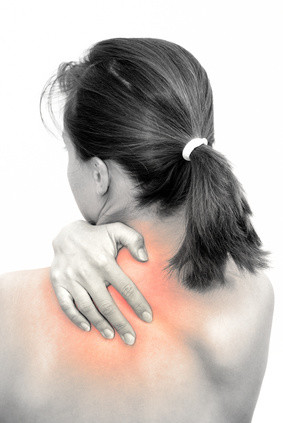
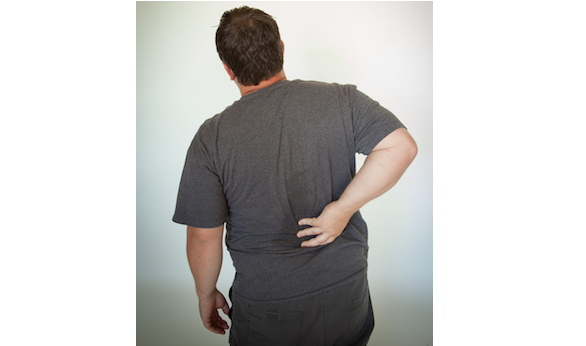
What to Do for Chronic Low Back Pain

when back surgery goes bad FILED UNDER Blog

Low back pain (LBP) is a very common problem that many, if not most of us, have had at some point in life. In fact, about 80% of adults experience LBP in their lifetime, and it’s the leading cause of job-related disability and missed work days. According to the National Institutes of Health, more than 25% of adults have had a recent episode of LBP.

Men and women are equally affected by LBP, which can occur abruptly following a specific incident (such as over lifting), or it can develop slowly over time due to wear and tear. Studies show a sedentary lifestyle during the week can set the stage for developing LBP, especially when it's followed by strenuous weekend workouts.

Although about 80% of acute LBP (lasting a few days to weeks) resolves with self-care or short-term management, about 20% of those with acute LBP will still have persistent symptoms after a year. So what can be done to manage chronic LBP and prevent disability?

One study looked specifically at maintenance neuromuscular/trigger point therapy (NMT) to determine its effectiveness in managing chronic LBP, which they defined as LBP that persists for more than six months. Researchers randomly assigned patients to receive either 1) 12 treatments of sham NMT for one month; 2) 12 treatments of NMT for one month but no treatment thereafter; or 3) 12 treatments for one month followed by NMT twice a month for the following nine months.

The research team found that groups two and three experienced significantly lower pain and disability scores than the sham treatment group at the end of the first month. However, only the third group experienced more improvement in regards to pain and disability at the ten-month evaluation. In the absence of continued NMT, the second group's pain and disability scores returned back to near pre-treatment scores. The authors concluded that NMT is effective for chronic nonspecific LBP, but to obtain long-term benefit, patients should continue to receive care on an ongoing basis.

Migraine Headaches and Nutrition?

Family massage discounts FILED UNDER Blog

According to a World Health Report, migraines are the nineteenth most common patient complaint worldwide with an 18% of women and 6% of men in the United States experiencing at least one migraine headache episode each year.

There is evidence that patients with migraines have an energy deficit disorder associated with their glucose intake. As such, adopting a strict ketogenic diet (in which ketones are the primary source of energy for the body in place of glucose) does appear to benefit patients with migraines.

A 2017 study set out to determine if it was the absence of glucose or the increase in ketone bodies that made the difference for patients. In the study, researchers provided four female migraine patients with a specially designed ten-gram beverage containing a specific type of ketone called B-hydroxybutyrate or bHB twice a day for four weeks.

After one month, their migraine frequency rate dropped 50% to eight days/month on average without any serious side effects. The patients also lost weight, presumably due to consuming less glucose in their diet. An additional benefit of higher levels of ketones in the body is that they have an anti-inflammatory effect.

A larger double-blind, randomized, placebo-controlled trial is now underway with a group of 90 patients that will last three months The goal of the study is to determine if this nutritional supplement is capable of reducing migraine headaches without the significant side effects and associated disabilities that are currently associated with many migraine medications.

Neuromuscular/Trigger point massage also targets the root cause of headaches/migraines and is an important part of caring for the whole person. In fact, there is research supported evidence that neuromuscular/trigger point massage alone has a very positive benefit for migraine headache patients as noted in many studies regarding the effectiveness of manual therapies. Based on the outcome of this large-scale study, the use of ketone-based supplementation for migraines may become a new standard.

Exercises for Hip Pain

The 5 Step Secret to End Back Pain Naturally FILED UNDER Blog

There are two types of muscles that help facilitate motion in our hips and lower extremities: tonic and phasic.

Tonic (postural) muscles are always working or contracting to keep us upright. Therefore, these muscles tend to be tight and short. When we sleep, they contract or shorten and are taut upon waking and need to be stretched on a regular basis. Examples of tonic muscles include the hamstrings and the iliopsoas or hip flexors muscles. Here are two great stretches for these muscles:

Iliopsoas stretch: 1) Stand and take a step forward with the left leg into a front straddled position. 2) Rotate the left side of the pelvis forward so that it becomes square with the right side of the pelvis. 3) Perform a posterior pelvic tilt by flattening the curve in the low back while rocking the pelvis forward to create a strong stretch in the left groin/front of the hip. 4) Lean backwards to the right to further increase the left groin/hip stretch. Hold for five to ten seconds and repeat this on the opposite side. Practice these stretches multiple times a day.

Hamstrings stretch: 1) Lie on your back and place the left leg on a door jam with the right leg flat on the floor extending through the opening of the doorway. 2) Push the left leg into the door jam and hold for three to five seconds and then scoot closer to the door jam to stretch the hamstring. Hold for one to two minutes and repeat this on the opposite side, multiple times a day.

Phasic muscles, on the other hand, only work when needed and tend to be weak. These require strengthening, not stretching. Examples of phasic muscles include the abdominal and buttock muscles. Here are two great strengthening exercises for these muscles:

Abdominal strengthening: 1) Lying on the floor, place your hands behind your low back. Bend one knee/leg while keeping the other straight. 2) Lift your breast bone toward the ceiling one to two inches (2.54 to 5.08 cm) and hold for ten seconds. Repeat multiple times until the abdominal muscles are fatigued.

Buttocks strengthening: 1) Squeeze your buttocks together multiple times a day when sitting or standing. 2) Lie on your back with your knees bent and your feet flat on the floor. Raise your buttocks so it lines up with your trunk while pushing your heels into the floor. Hold for ten seconds and repeat five to ten times.

Depending on the nature of your hip pain, your neuromuscular massage therapist may recommend further exercises that you can perform at home as part of your treatment plan.

Carpal Tunnel Syndrome – More Than Just a Wrist Problem

Person experiencing wrist pain FILED UNDER Blog

Carpal tunnel syndrome (CTS) is a common condition that affects around 6-12% of the population and can result in significant pain and disability. The financial costs associated with CTS can be staggering – ranging from $45,000 to $89,000 per patient over a six-year period when productivity loses are taken into account.

Historically, doctors and researchers have described CTS as the result of compression of the median nerve as it travels through the bony carpal tunnel at the wrist. However, there is recent evidence that CTS is a more complex pain syndrome with multiple studies showing women with CTS exhibit widespread pressure pain hypersensitivity, thermal pain increases, and what’s called “enhanced wind-up in extra-median nerve territories.” In other words, the central nervous system seems to be involved, affecting the whole body, not just the wrist and hand.

Traditionally, the management of CTS has included conservative interventions primarily focused on relieving wrist and hand symptoms using splints, manual therapies, modalities (ultrasound, laser), and exercise—with surgery recommended if the patient fails to respond treatment. In looking at CTS as a product of the central nervous system (CNS), therapies that target desensitizing the nervous system may be more effective.

A 2017 randomized clinical trial compared manual therapy with surgery for improving BOTH pain and central sensitization (“nociceptive gain”) in CTS patients. Here, researchers randomly assigned 100 women to either a manual therapy group who received one session per week for three weeks including “desensitizing manoeuvres of the CNS” or a surgical intervention group (50 in each group). The research team evaluated pressure pain thresholds (PPT), thermal pain thresholds (hot or cold – HPT or CPT), and pain intensity at baseline, three, six, nine, and twelve month intervals following the intervention.

After one year, those in the manual therapy group experienced higher increases in PPT over the carpal tunnel at three, six, and nine months and greater decreases in pain intensity at three-months than those who underwent a surgical procedure. Otherwise, the outcome measurements were similar for both groups.

The significance of this study supports that a non-surgical, manual therapy approach (in which neuromuscular/trigger point massage specializes) is more effective in the short term and equally effective in the long term as surgery for BOTH pain and central sensitization (PPT only – not HPT/CPT for either group).