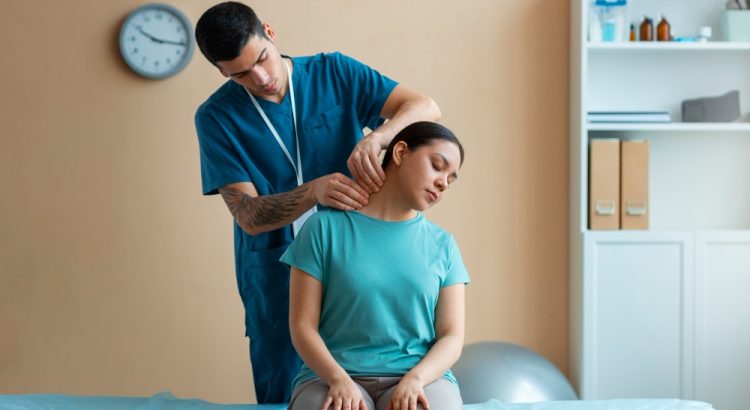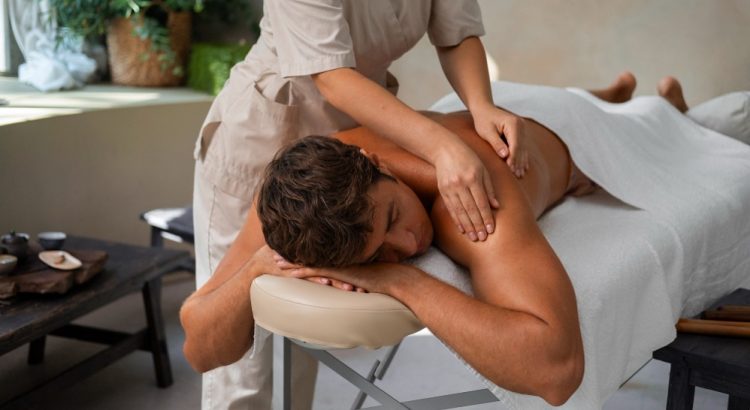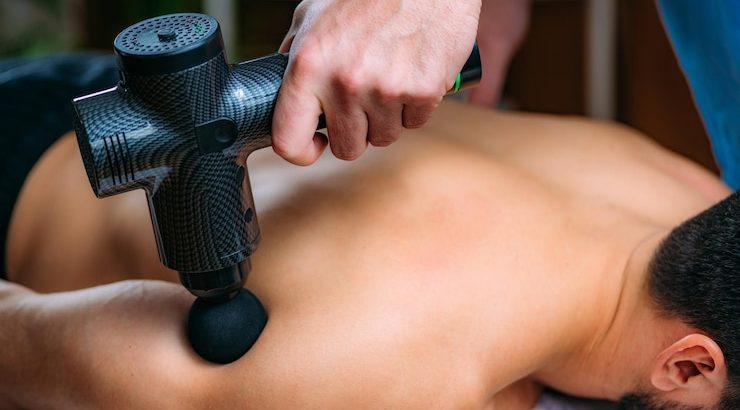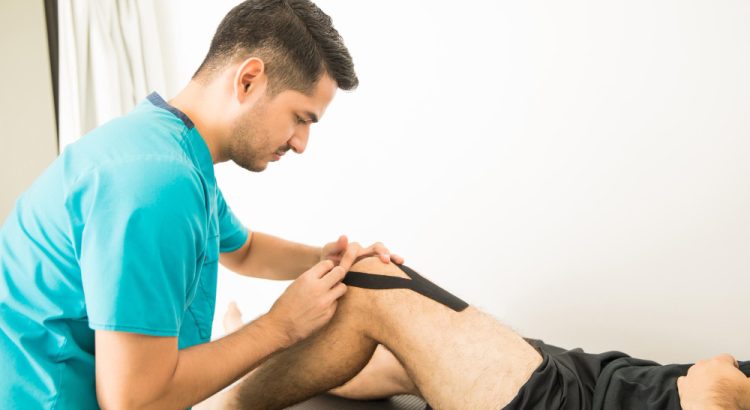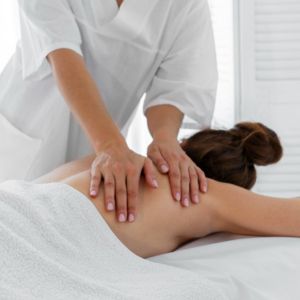
What Is a Red Flag in Massage?

pain relief massage FILED UNDER Blog

Many people get massages to help with tight muscles, long workdays, or regular stress. If you live an active life or spend many hours sitting at a desk, you know how much your body can tighten up. A good massage can help you feel balanced and move better. But not every place gives you the care you deserve. That’s why it’s essential to understand red flags in massage.

pain relief massage


When you know how to spot warning signs early, you protect your health, time, and comfort. You want your massage to feel safe, helpful, and straightforward. Some signs are easy to spot, like a messy space or unclear training. Others show up only after the session starts. If you stay aware and trust what you notice, you can make better choices about where you book your sessions.

Many people search for places that offer focused work, especially those dealing with tight muscles from their daily routine or workouts. If you’re exploring strong pressure work, you might even look for something like deep tissue massage in Manhattan Beach, which should still feel safe and respectful at all times. As long as you know what to watch out for, you can enjoy the benefits without worry.

How to Spot Red Flags in a Massage Session

A red flag in massage is a sign that something may not be right. It can point to unsafe habits, weak training, or unprofessional behavior. These signs matter because massage involves direct work on your body. You should feel safe, comfortable, and heard.

Below are eight clear red flags you should watch for when choosing a therapist or during a session.

No Clear License or Training

A licensed therapist should be able to show proof of training. If they avoid the topic or can’t explain where they trained, it’s a warning sign. States have rules for massage licensing, and any serious therapist follows those rules. If you can’t confirm it, you may want to walk away.

Weak Communication

Your therapist should ask you basic questions about your health, your pain areas, and what you want from the session. If they skip this step or seem rushed, it shows they’re not paying attention. Communication helps you stay safe and sets the tone for the session. When that’s missing, it becomes harder for you to relax.

If you’re ever unsure where to look for a trustworthy option, many people search for a massage near me to find a place with strong standards and clear communication.

Sharp or Sudden Pain

Some pressure can feel strong, especially on tight areas. But sharp or sudden pain is not normal. If you say something and the therapist keeps going with the same pressure, that’s another red flag. Your comfort should guide the session, and your feedback should always matter.

No Intake Form or Health Questions

Before your session begins, a therapist should ask about past injuries, health issues, or pain you’re dealing with. Intake forms help them understand what to work on and what to avoid. If they don’t ask anything at all, the session becomes a guessing game.

Unclean or Messy Space

A clean space means clean sheets, organized tools, and a room that feels safe to be in. If the room feels dirty, the sheets look reused, or items are out of place, this indicates poor standards. Massage involves close contact, so a clean environment isn’t optional.

Surprise Fees or Pressure to Buy More

A massage session should be simple. You book a session, you pay for the time, and that’s it. If the therapist starts suggesting upgrades you didn’t ask for or tries to sell you products during the session, that’s a problem. You should never feel pushed into spending money you didn’t plan to spend.

Read helpful and easy tips to book a Massage, especially if you want a smooth process every time.

A Lack of Respect for Boundaries

Your therapist should be clear about what areas they’ll work on. If they touch areas you did not approve or ignore your discomfort, it’s a serious red flag. You should always feel in control and comfortable speaking up. Your boundaries matter.

Random Techniques With No Plan

A skilled therapist has a plan based on your needs. If the therapist uses random moves, switches techniques without explanation, or seems unsure about what they’re doing, it may indicate weak training. Your session should feel steady and clear, not confusing or disorganized.

What’s Next?

Red flags in massage help you know when to speak up or choose a different therapist. When you understand what to look for, you protect your comfort and enjoy a safer experience. A good therapist communicates clearly, listens to your needs, and works in a clean and organized space. If something feels off, trust yourself and make a different choice.

You deserve care that feels professional and respectful. When you choose a reliable provider like Massage Revolution, you gain confidence that your session will be handled with skill and attention.

FAQs

Is some discomfort normal during massage?

Mild pressure can feel intense, especially on tense areas, but sharp pain is not normal. Always tell the therapist if something feels wrong.

How do I check if a therapist is licensed?

Ask to see the license or look at your state’s public site for licensed massage therapists. This is a simple way to avoid risk.

Is neuromuscular therapy safe for daily exercise routines?

It is often used by active adults. It focuses on slow, steady pressure and muscle balance. Always share your health history before starting.
What Type of Massage Is Best for Back Pain?

deep tissue massage_ FILED UNDER Blog

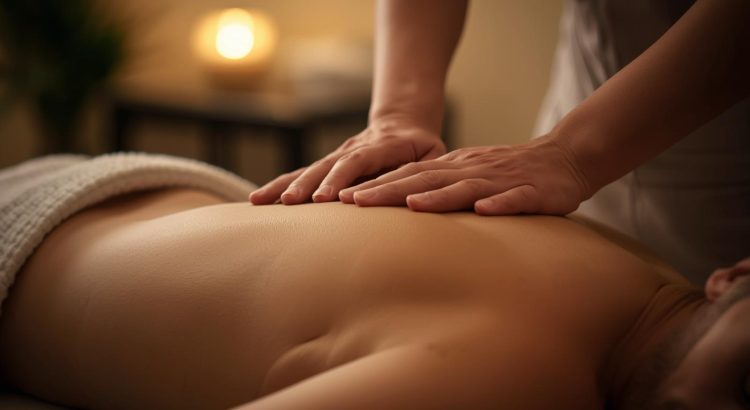
Back pain can slow you down, whether it’s from long hours at your desk, weekend workouts, or everyday stress. It’s one of those things you notice right away — when your back hurts, everything feels harder. The good news is that massage therapy can be highly beneficial. However, with so many types available, how do you determine which type of massage is best for alleviating back pain?

deep tissue massage_

Each kind of massage works differently. Some target deep muscles, while others focus on relaxation or restoring balance. The right one depends on your lifestyle, the cause of your pain, and what kind of pressure your body responds to best.

If you’re in Southern California and looking for relief, consider booking a deep tissue massage in Los Angeles. Deep tissue techniques often go beyond simple relaxation and reach the muscle layers that hold chronic tension.

Let’s look at six massage types that people often find most effective for back pain — and how they can make a real difference for you.

Different Types of Massage are Best for Back Pain

Deep Tissue Massage

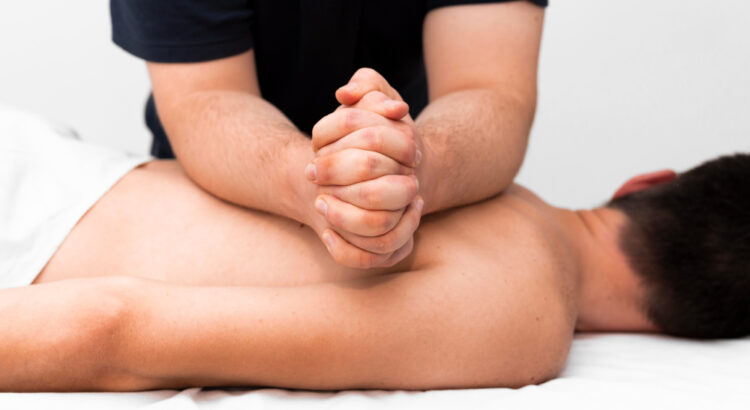
Deep tissue massage employs slow, firm pressure to target the deeper layers of muscle and connective tissue. It’s especially helpful for managing chronic pain, stiffness, or tension resulting from workouts or prolonged periods of work. Therapists focus on areas that feel tight or sore, helping break up knots and improve blood flow.

It can feel a little intense during the session, but afterward, most people report feeling looser and more mobile. Regular sessions may help keep your back muscles balanced and reduce recurring pain.

Swedish Massage

If you’re new to massage or just want to relax, Swedish massage might be a great choice. It uses light to medium pressure with long, gliding strokes that help your body relax and your mind unwind.

While Swedish massage isn’t focused on deep muscle repair, it does help improve circulation and release surface tension. It’s perfect for individuals who experience mild discomfort or want to alleviate tension from stress and poor posture.

When you’re searching online for a massage near me, keep in mind that Swedish massage is one of the most common and relaxing types you’ll find — great for beginners or anyone looking to de-stress while easing general back tension.

Neuromuscular Therapy (Trigger Point Massage)

Neuromuscular therapy focuses on “trigger points,” or tight muscle knots that cause pain in other areas of the body. These knots often form from overuse, injuries, or poor posture. 

A therapist applies steady, precise pressure to release the tension, improve blood flow, and calm irritated nerves. It’s a proven method for chronic back pain because it targets the root cause, not just the symptoms, helping you move more freely and feel balanced again.

Sports Massage

Sports massage isn’t only for athletes. It’s ideal for anyone who leads an active lifestyle or works out regularly. This massage combines deep pressure, stretching, and movement-based techniques to loosen tight areas and aid in muscle recovery.

It’s especially helpful for back pain caused by overuse, repetitive motion, or exercise-related strain. Sports massage also supports flexibility and helps prevent future injuries by keeping your muscles in good condition.

Many people combine sports massage with other therapies to maintain mobility and reduce stiffness, especially if their jobs or hobbies involve heavy lifting or frequent physical activity.

Myofascial Release

Myofascial release focuses on the fascia — the thin tissue that wraps around your muscles. When this tissue becomes tight, it can pull on your body, limiting your movement and potentially causing pain or discomfort.

This technique employs gentle, sustained pressure rather than strong force. It’s slow and patient, allowing the fascia to stretch and relax naturally. Over time, it helps your body realign itself, making it easier to move without stiffness.

Individuals who experience chronic tightness or postural issues often find this method effective in restoring flexibility and reducing strain.

If you also experience neck or upper back tension, adding a headache massage session can bring even more relief by releasing pressure around the shoulders and head.

In The End!

Determining the best type of massage for back pain depends on the underlying cause of your discomfort. Deep tissue and neuromuscular therapy are effective for chronic tension, while Swedish massage helps alleviate stress and posture-related pain. Sports massage and myofascial release are ideal for staying flexible and preventing future issues.

There’s no one-size-fits-all approach. The best results come from consistency—mixing techniques, staying hydrated, stretching often, and maintaining good posture.

If you’re ready for lasting relief, Massage Revolution offers customized sessions designed to restore balance, ease tension, and help you move comfortably every day.

Back Pain Relief: The Power of Deep Tissue Massage

Back Pain Relief FILED UNDER Blog

Back pain is a common issue for many adults. Long hours at a desk, sports activities, or lifting heavy objects can cause muscles to tighten and create discomfort. People often seek ways to alleviate back pain that address the underlying cause and enhance their daily lives. One method that has gained attention is deep tissue massage. It focuses on the deeper layers of muscles and connective tissues to release tension, improve blood flow, and reduce pain.

Deep tissue massage is not just about relaxing muscles. It can also complement other therapies to facilitate a faster recovery. For instance, combining it with reflexology massage can enhance circulation, promote relaxation, and improve muscle release. This approach is particularly beneficial for individuals experiencing lower back pain resulting from poor posture, sports injuries, or prolonged periods of sitting.

Let’s find out the power of deep tissue massage.

The Power of Deep Tissue Massage For Back Pain Relief

Deep tissue massage is different from a standard massage. It employs slow, firm strokes to target deeper muscles, addressing chronic tension that often leads to pain. Here are the main ways it can support back pain relief and overall muscle health:

Relieves Chronic Muscle Tension

Tight muscles can cause discomfort and limit normal movements. Deep tissue massage targets knots and stiff areas, gradually releasing tension. Over time, muscles become more relaxed, posture improves, and daily activities, such as bending, lifting, or exercising, become easier. This is particularly helpful for people with sedentary jobs or those who perform repetitive tasks.

Reduces Lower Back Pain

Lower back pain is one of the most common complaints among adults. Deep tissue massage focuses on muscles surrounding the spine, hips, and lower back to relieve strain and inflammation. By loosening tight areas, it reduces pressure on nerves, promoting healing. For those seeking professional care, services like back pain in Los Angeles offer targeted treatments designed to address these issues.

Breaks Down Scar Tissue

Injuries, surgeries, or repeated strain can create scar tissue that limits mobility and causes discomfort. Deep tissue massage works to soften and break down this tissue, allowing muscles to move more freely. This not only reduces pain but also helps prevent future injuries, making it an excellent option for athletes or active adults.

Improves Blood Circulation

Firm pressure applied during deep tissue massage stimulates blood flow to areas of concern. Improved circulation delivers oxygen and nutrients to muscles, accelerating recovery. It also helps reduce swelling and inflammation, which can contribute to lower back pain, making daily movements less uncomfortable.

Corrects Muscle Imbalances

Muscle imbalances occur when certain muscles become tighter or weaker than others, typically due to poor posture, repetitive strain, or injury. Deep tissue massage identifies these areas and works to restore balance and harmony. Proper muscle balance improves posture, reduces tension, and lowers the likelihood of recurring back pain.

Enhances Range of Motion

Tight muscles can restrict movement, making simple actions such as bending, stretching, or lifting more challenging. Deep tissue massage helps release these muscles, improving flexibility and overall range of motion. Active individuals, fitness enthusiasts, and people recovering from injuries benefit from this improved mobility.

Supports Stress Relief and Relaxation

Muscle pain and tension often affect mental health. Deep tissue massage works on the body and promotes relaxation for the mind as well. The slow, focused strokes help reduce stress levels and support overall wellness. Pairing this therapy with regular relaxation techniques can enhance the long-term benefits.

Works Well With Other Therapies

Deep tissue massage is most effective when combined with other therapies, such as stretching, physical therapy, or reflexology. For example, pairing it with a back pain relief massage can enhance circulation, promote muscle release, and induce relaxation. Finding a massage therapist near me ensures professional guidance and proper technique, providing the best results for long-term pain relief. Integrating these therapies helps the body recover more quickly and remain pain-free.

How to Choose the Right Therapist for Back Pain Relief

Selecting a skilled therapist is essential for achieving safe and effective results. A trained professional can identify problem areas, apply the correct pressure, and create a treatment plan tailored to your needs. Look for someone certified in deep tissue or neuromuscular therapy. For individuals seeking professional care, Massage Revolution offers experienced therapists who specialize in alleviating pain, restoring muscle balance, and enhancing flexibility.

Wrapping Up!

Deep tissue massage is a practical and effective solution for chronic back pain, tension, and stiffness. It works on tight muscles, reduces lower back pain, improves posture, and supports better mobility. When combined with complementary therapies such as reflexology or physical therapy, it provides even greater relief and helps prevent recurring pain. 

For consistent, professional care, Massage Revolution offers deep tissue massage treatments designed to reduce pain, restore balance, and support a healthy, active lifestyle. Regular sessions can help you maintain wellness, stay mobile, and enjoy life without the constant discomfort of back pain.

Easy Tips to Book a Massage Close to Home

massage near me FILED UNDER Blog

Booking a massage close to where you live can be simple if you know what to look for. Whether you’re dealing with back pain, tight muscles, or simply need to relax, a good massage can provide relief. However, selecting the right type of therapy and the right therapist is crucial to achieving genuine relief.

Not all massages are the same. Some are great for stress. Others target deeper muscle pain or help with posture issues. That’s where a more focused method like neuromuscular therapy comes in.

This guide walks you through easy steps to help you book a massage that suits your body and schedule. If you’ve been searching for a massage near me, here’s what to know before you book.

Tips to Book a Massage Close to Home

1. Know What You Need Help With

Before booking a massage, determine what you want to achieve from it. Is it stress? Neck stiffness? Back or leg pain? Or maybe you’ve been sitting at a desk for hours and feel sore.

If you’re unsure, pay attention to how your body feels. This can help you and your therapist focus on the right areas. Neuromuscular therapy is designed to help with conditions such as poor posture, overuse injuries, and chronic pain.

2. Pick the Right Massage for Your Situation

There are different kinds of massage, and each one helps differently:

  • Swedish Massage is light and relaxing
  • Deep Tissue works through muscle layers
  • Neuromuscular Therapy focuses on trigger points that may cause pain elsewhere

If you’re active or deal with muscle tension or past injuries, neuromuscular therapy may be a better fit than general relaxation massage.

3. Search by Type and Location

Don’t just type “massage” into a search bar. Add your location and what kind of massage you’re looking for. For example, “trigger point massage near [your city]” or “sports massage near [your zip code]” will give better results than a general search.

If you’ve been dealing with leg or nerve-related pain, try looking for sciatica massage near me. These therapists are skilled in treating pain that radiates from the lower back and legs.

4. Look Into Therapist Credentials

Not all massage therapists receive the same level of training. Some specialize in light pressure or relaxation, while others have advanced training in medical or sports massage.

Verify that the therapist is licensed and has experience in neuromuscular or trigger point therapy. This kind of massage targets the root cause of your pain rather than just the surface tension.

5. Read Online Reviews

Reading what other people say can help you make informed choices. Look for reviews that mention lasting pain relief, improved mobility, or exceptional service.

It’s helpful if reviewers describe how the therapist listened, explained the process, and adjusted pressure or focus during the session.

6. Ask About Services and Flexibility

Once you find a place that looks good, check what services they offer. Many clinics provide detailed information on their websites, including the types of massages, session lengths, prices, and who each massage is best suited for.

It’s also smart to ask how far out they’re booked, what times are available, and if they adjust sessions based on how you feel each time.

7. Try Before You Commit Long-Term

If you’re unsure about committing to a regular schedule, look for clinics that offer a trial session before you book additional sessions. This gives you a chance to see how your body responds and how the therapist works with you.

Some places even offer sample sessions or deals for first-time clients. If you’re exploring options, it’s helpful to know where to get a free massage, allowing you to experience it before investing in regular sessions.

8. Plan a Routine That Fits Your Life

Massage works best when it’s part of your routine. Some people go once a month for maintenance. Others with more pain or activity might go every two weeks.

Here’s a quick breakdown:

  • Once a month: light tension or stress
  • Every 2–3 weeks: posture issues or mild pain
  • Weekly: sports training, injury recovery, or chronic pain

Choose a time of day and week that works with your schedule, and stick with it. When your massage is close to home, it’s easier to show up and stay consistent.

Bottom Line

Finding a massage near your home doesn’t have to be complicated. By understanding what your body needs and selecting the appropriate therapy, you can make your sessions more effective and rewarding. Neuromuscular therapy is a wise choice if you want to treat the cause of pain and improve your long-term muscle health.

Massage Revolution helps individuals dealing with back pain, sciatica, poor posture, and other related issues by focusing on trigger point-based care. Whether you’re an athlete, office worker, or just trying to feel better every day, they make it easy to get the care you need close to home.

5 Reasons Your Body Needs a Massage More Than You Think

Massage Revolution FILED UNDER Blog

Massage is often seen as something you do once in a while—maybe on vacation or after a long week. However, massage can play a significantly larger role in how your body feels and functions. If you’re active, stressed, or dealing with pain, regular massage can help more than you may realize.

We all carry stress in different ways. For some, it shows up as tension in the neck or back. For others, it leads to poor sleep or slow recovery after exercise. If you sit at a desk for hours or push your body through workouts or daily chores, massage isn’t just helpful—it’s often necessary.

That’s why many people are incorporating massage into their monthly routine. At Massage Revolution, massage is more than just a way to relax. It’s a way to support your health, reduce pain, and keep your body moving well.

Let’s look at five reasons you might need a massage more often than you think.

5 Reasons Your Body Needs a Massage

Stress isn’t just in your mind—it lives in your muscles

Life is busy. Deadlines, long commutes, and endless to-do lists create stress that doesn’t just stay in your head. It affects your body. You might feel it in your shoulders, lower back, or jaw.

When stress builds up, your muscles tighten. This can lead to pain, stiffness, or even headaches. Massage helps reduce this tension. It encourages your body to relax and signals your nervous system to slow down.

Even if you don’t feel “stressed out,” your body may be under pressure. Regular massage helps keep stress from turning into chronic pain or fatigue.

Neck and back pain won’t go away by themselves

Do you feel tightness in your upper back? A sore neck after sitting all day? These are common problems, and they usually don’t fix themselves.

Bad posture, long hours at a desk, and even carrying kids or groceries can create muscle tension. Over time, this can turn into lasting pain.

Massage helps release tight spots, improve blood flow, and support better movement. It’s a way to reset your body and reduce pain without medication or invasive treatments.

Waiting too long to address pain can make it harder to treat. A regular massage plan helps manage minor issues before they escalate into major problems.

Your body needs help recovering from workouts and activity

Being active is great, but your muscles need time and care to recover. Whether you run, lift weights, hike, or practice yoga, your body undergoes stress during movement. If you don’t allow it time to recover, you may experience soreness, stiffness, or even injury.

Massage helps speed up this recovery. It supports circulation, reduces inflammation, and helps flush out waste from the muscles. That means less soreness and a quicker return to your favorite activities.

You don’t have to be an athlete to benefit from a recovery massage. Anyone with an active lifestyle can gain from it, especially if you want to keep moving without pain.

Many active clients rely on regular sessions at Massage Revolution to maintain their health and recover more quickly after exercise or long workdays.

Tight muscles can disturb your sleep

You may be sleeping for 7 or 8 hours, but still wake up feeling stiff or tired. This could be because your muscles stay tight even while you sleep. Tension in your back, hips, or neck can prevent your body from fully relaxing.

Massage helps your muscles release tension, allowing your body to rest properly. It can also help your body produce serotonin and melatonin, natural chemicals linked to better sleep.

Better sleep doesn’t just help you feel rested. It supports your mood, energy, and immune system. If you’re not waking up refreshed, a massage may be part of the solution.

You’re always on the go—massage helps you pause

Busy schedules leave little time to stop and rest. But that constant movement—whether it’s work, parenting, or workouts—takes a toll on your body. Massage provides a space for you to slow down and recover.

Taking time for yourself isn’t selfish. It’s a way to care for your health so you can show up stronger in your daily life. Just one hour of massage can help your muscles reset, your mind clear, and your stress level drop.

Over time, regular massage sessions can lead to better energy, improved focus, and a more balanced mood.

Bottom Line

Your body works hard every day. It holds tension, powers your movement, and supports everything you do. Massage helps it stay strong, flexible, and pain-free.

Whether you’re recovering from a workout, dealing with neck pain from prolonged sitting, or simply need help managing stress, massage is a simple and effective way to feel better.

Don’t wait until pain gets worse or stress takes over. Make massage part of your health routine—and give your body the care it needs.

Massage Revolution is here to help you move better, feel better, and live healthier—one session at a time.

Why Pain Relief Massage Works Better Than Spa Treatments

day spas in Manhattan Beach FILED UNDER Blog

If you’re feeling tight, sore, or stressed, you might think a spa massage is the answer. But while a spa can help you relax in the moment, it usually doesn’t go deep enough to fix real pain. Most spa treatments are designed to soothe—not solve—what’s going on inside your body.

On the other hand, pain relief massage does more than feel good. It works on the deeper layers of muscles, nerves, and movement patterns to help your body heal. It’s not just about comfort—it’s about real change.

Many people searching for massage in Manhattan Beach are looking for relief from pain, tension, or long-term stress. While spas might seem like a good first step, specialized pain relief massage provides the long-term care your body really needs.

Here’s how it compares—and why pain relief massage is a better choice for lasting results.

What Makes Pain Relief Massage Different

Targets the Source, Not Just the Symptoms

Spa massages are a great option when it comes to relaxing the body for a short time. They don’t focus on what’s actually causing your pain.

Pain relief massage, especially methods like neuromuscular therapy, goes deeper than surface-level relaxation. It works directly with muscles and nerves that may be out of balance or irritated. These are often the areas that lead to chronic pain or limited movement.

Whether it’s from poor posture, overuse, injury, or stress, this type of massage is designed to correct the problem—not just mask it.

It’s Designed for Long-Term Relief

Spa sessions are typically about feeling good in the moment. But if you’re dealing with regular discomfort, you need more than a temporary escape.

Pain relief massage is built around long-term improvement. Each session works toward creating balance in your body—releasing tight areas, calming irritated nerves, and helping you move better. Over time, you can experience less pain, better posture, and more ease in your daily life.

It’s more than just relaxing. It’s therapy that helps your body heal and perform the way it’s supposed to.

Therapists Ask More Questions and Build a Plan

Most spa appointments follow a set routine. You choose the pressure level, mention where it hurts, and receive a general massage.

A pain relief center is different. The therapist asks about your pain history, daily habits, injuries, and posture. They use this information to create a massage plan built around your needs. It’s more personal and more effective.

You’ll Learn About Your Body

Spa sessions might leave you feeling relaxed.

However, with pain relief massage, you don’t just get bodywork—you get insight. Therapists explain what muscles are tight, why you’re in pain, and what you can do at home to help. They may suggest stretches, posture changes, or adjustments to daily habits.

This added education empowers you to take better care of yourself, even after you leave the massage table.

You See Real Improvement with Consistency

Spa massages are often seen as a treat or occasional indulgence. That’s fine for temporary relief. But long-term results take more than a rare visit.

With pain relief massage, regular sessions—like weekly or bi-weekly—help break long-term patterns of tightness and pain. The more consistent the therapy, the more your muscles respond and improve. You start to move easier, sit longer without pain, and even sleep better.

It’s Better for Active and Health-Conscious Lifestyles

Whether you’re training for a race, working long hours at a desk, or managing a busy family life, your body takes a lot of stress.

Spas may help you relax, but they don’t support recovery the way pain relief massage does. If you’re health-focused and want to keep your body working well, you need deeper care.

Pain relief massage supports your lifestyle by helping your body move efficiently. It reduces soreness, prevents injury, and helps you stay strong and flexible—no matter how busy or active you are.

The Focus Is on Function, Not Fluff

It’s easy to be drawn to a spa for its atmosphere—dim lighting, soft music, and calming scents. And, it helps your muscles or joints recover from real tension or injury—for a short time.

Pain relief massage is different. It’s not about luxury—it’s about effectiveness. There are no distractions, just skilled hands working with your body to create real change. It may not be fancy, but it works.

Every session is focused on getting results: less pain, better movement, and a stronger, healthier body.

Bottom Line

Spa massages have their place. They offer short-term comfort and a peaceful setting. But if you’re dealing with real muscle pain, tightness, or stress that affects your daily life, they won’t give you what you really need.

Massage Revolution in Manhattan Beach isn’t a spa. It’s a pain relief massage center that specializes in neuromuscular therapy, and offers all types of therapeutic massage. Their trained therapists help you treat the root of your pain, reduce tension, and improve the way your body feels and moves every day.

If you’re ready for something more than temporary comfort, book your session today—and feel the difference a true pain relief massage can make. We also do all types of therapeutic massage

Neck Pain Got You Down? Quick Massages That Help

neck pain massage manhattan beach FILED UNDER Blog

Many of us have experienced neck pain at some point. It could be from sitting at a desk all day, lifting heavy objects, or sleeping awkwardly. Regardless of the cause, neck pain can be annoying and uncomfortable and even affect daily activities. Fortunately, various quick and effective massage techniques can help alleviate neck pain and get you back to your routine. 

Let’s explore simple massage methods you can do at home to ease discomfort. We’ll also discuss how professional neuromuscular therapy can offer longer-lasting relief.

Quick Massages That Help with Neck Pain

If you’re looking for fast and easy ways to relieve neck pain, here are some effective massage techniques that can help:

1. Self-Massage Using Your Hands

One of the quickest ways to address neck pain is through self-massage. Simply using your hands, you can apply gentle pressure to tight and sore muscles.

How to do it:

  • Place your fingers on the back of your neck and use circular motions to massage the area.
  • Move slowly, targeting any specific spots where you feel tension or pain.
  • Hold the pressure for a few seconds to release the tension if you find a tender spot.

This is an excellent technique if you’re looking for immediate relief. It can be done multiple times a day.

2. Using a Tennis Ball for Deeper Relief

A tennis ball is an excellent tool for massaging difficult-to-reach areas, such as the upper neck and between the shoulder blades. This method can provide deep tissue relief and loosen tight muscles in the neck area.

How to do it:

  • Place the tennis ball between your neck and a wall, or lie down and place it on the floor.
  • Roll the ball around, applying pressure to sore or tense spots.
  • Move the ball gently from the top of your shoulders towards your neck for full coverage.

This technique helps target deep tissue knots and relieves tight muscles, often the root cause of neck pain.

3. Gentle Neck Stretches

Stretching is a simple but effective way to reduce tension in your neck. Stretching helps increase flexibility and blood circulation, both of which can ease pain and stiffness. These stretches can be done anywhere and only take a few minutes.

How to do it:

  • Slowly tilt your head toward your right shoulder, hold for 15-30 seconds, and then repeat on the left side.
  • For a deeper stretch, gently rotate your neck to the left and right, holding each position for a few seconds.
  • Another stretch involves lowering your chin towards your chest and holding for 10-15 seconds to stretch the back of your neck.

Doing these stretches regularly can reduce stiffness and prevent neck pain from returning.

4. Trigger Point Therapy

Trigger points are tight knots forming in muscles, often causing pain in other body parts. These points can contribute to neck pain, especially if your muscles are overworked or overstressed. Trigger point therapy is a targeted massage technique that releases these knots.

How to do it:

  • Use your fingers to locate tender or tight areas along your neck and shoulders.
  • Apply gentle but firm pressure on the spot for 20-30 seconds.
  • If needed, move your fingers in small circles to increase blood flow to the area.

You can combine this technique with your regular self-massage for more profound relief.

5. Shoulder and Upper Back Massage

Sometimes, neck pain is caused by upper back and shoulder tightness. Focusing on these areas with a simple massage can help reduce the strain on your neck muscles.

How to do it:

  • Use your hands to massage the tops of your shoulders and the area around your shoulder blades.
  • Use a kneading motion to release tension from the upper back.
  • Focus on tight areas, as these muscles are often connected to neck pain.

Relaxing the muscles in your shoulders and upper back can relieve pressure on the neck, which can help reduce pain and improve mobility.

6. Professional Neuromuscular Therapy

While self-massage techniques are helpful, professional massage therapy offers more in-depth relief. Therapists trained in neuromuscular therapy can focus on the root causes of neck pain, such as muscle imbalances or nerve compression.

Neuromuscular therapy targets the muscles and connective tissues directly, working to release muscle spasms and tension in specific areas. A professional therapist can apply precise pressure on areas that self-massage might not reach. If you’re experiencing chronic neck pain, scheduling a professional neck pain massage session can provide long-term benefits and more effective results.

For expert neuromuscular therapy, consider visiting Massage Revolution, where trained professionals offer personalized treatments to help you achieve lasting comfort.

Key Takeaways!

Neck pain can be a serious problem, but you can manage and even eliminate the discomfort with the proper techniques. From self-massage with your hands to using tools like a tennis ball, there are many ways to address the tension in your neck. Stretching and trigger point therapy can also provide significant relief. However, if your pain persists or if you need more profound relief, professional treatments such as neuromuscular therapy can help target the underlying issues.

Visit Massage Revolution for long-lasting relief from neck pain and to learn more about how professional therapies can benefit you. Regular sessions can make a big difference in managing neck pain and improving overall well-being.

What to Expect During Your First Sports Massage

sports massage FILED UNDER Blog

If you want to recover from a brutal workout or relieve muscle tension, a sports massage might be exactly what you need. But if you’ve never had one, you may wonder what to expect. Whether you’re an athlete or someone who leads an active lifestyle, sports massage offers numerous benefits to help you perform at your best.

Sports massage is different from a regular relaxation massage. It focuses on areas of tension or injury caused by physical activity. It can help reduce pain, improve flexibility, and enhance overall recovery.And if you’re in the area, you can even check out sports massage in Manhattan Beach for the perfect experience. Let’s walk you through what to expect during your first sports massage so you can feel confident and prepared.

Things to Expect During Your First Sports Massage

Here’s what you’ll likely experience during your first session.

1. Initial Consultation

When you arrive for your first sports massage, your therapist will begin by asking you a few questions. They will want to know about your health history, activity level, and any areas of pain or tension you’ve been feeling. It’s essential to be open and honest during this part of the session so that your therapist can tailor the massage to your specific needs.

Your therapist will ask about any physical activities you do regularly—whether it’s sports, running, weightlifting, or something else—so they can target the right muscle groups. This conversation will help them understand where the tension in your body lies and how best to approach your treatment.

2. Focus on Problem Areas

Unlike other types of massage, sports massage focuses on areas that may be overworked or experiencing pain. These areas could include your back, shoulders, hamstrings, calves, or neck—common spots where athletes and active individuals build muscle tension.

The therapist will use techniques like deep tissue pressure to focus on these muscles and relieve the tension. While this feels intense, breaking up tightness and increasing blood flow to the area is usually necessary. If the pressure feels too much, just let your therapist know. They’ll adjust it to your comfort level.

3. Pressure and Sensitivity Levels

One of the unique aspects of sports massage is the varying levels of pressure applied throughout the session. Your therapist often works with deeper pressure to address muscle knots and tightness, but it should never be unbearable. A little discomfort is normal, especially if you have particularly tight or sore areas.

However, you don’t have to suffer through excessive pain. Your therapist is there to ensure the pressure is helping, not hurting, your muscles. Don’t hesitate to speak up if something doesn’t feel right. Good communication is key during your session.

4. Stretching and Mobilization

In addition to muscle manipulation, sports massage often includes gentle stretching. Your therapist may guide you through specific stretches to target tight muscles and increase flexibility. Stretching can help release muscle tightness, improve your range of motion, and prevent injuries.

For example, if your therapist is working on your hamstrings, they may help you stretch your legs to release tension in that area. These stretches help balance out the effects of exercise and ensure your muscles stay flexible and strong.

5. Post-Massage Care Recommendations

After your massage, your therapist may offer a few tips on how to care for your muscles. This could include stretching exercises, hydration suggestions, or even advice on maintaining better posture. Your therapist might recommend a specific routine to help you stay loose and prevent stiffness between sessions.

Sometimes, after a sports massage, you might feel sore for a day or two. This is normal and indicates that the massage worked deep into your muscles to release built-up tension. If you experience soreness, try to stay hydrated and do light stretching. Over time, these effects will decrease as your muscles adjust.

6. Follow-Up and Ongoing Sessions

One sports massage session can be practical, but long-term muscle tension may require ongoing treatments. Depending on your activity level and muscle stress, regular sessions help maintain muscle health and prevent injuries. 

If you’re training for an event, dealing with chronic pain, or recovering from an injury, your therapist may suggest frequent visits. Consistency improves flexibility, prevents injuries, and supports faster recovery. Regular massage is essential for active wellness.

If you’re active, consider booking a sports massage in Manhattan Beach to maintain your body’s optimal performance or aid recovery.

Bottom Line

Sports massage is an excellent way to relieve muscle tension, improve flexibility, and recover from the physical stress of sports and exercise. It’s more than just a relaxing experience; it’s a targeted therapy that helps address muscle imbalances and pain. By focusing on specific areas of tension, applying deep pressure, and offering stretching techniques, sports massage enables you to perform better and feel better.

Suppose you’re ready to experience the benefits of a sports massage and improve your muscle recovery. In that case, Massage Revolution offers specialized sessions designed to meet the needs of active individuals like you. Whether you’re a competitive athlete or enjoy regular exercise, sports massage can help you maintain your health and wellness.

To learn more or to book your appointment today, visit Massage Revolution’s website.

The Role of Neuromuscular Therapy in Improving Posture and Flexibility

Neuromuscular Therapy FILED UNDER Massage

Do you ever catch yourself slouching at your desk or feeling stiff after a long day? Maybe your shoulders ache, your lower back feels tight, or stretching doesn’t help. Poor posture and limited flexibility don’t just happen overnight. They build up over time due to daily habits, stress, and muscle imbalances.

Many people turn to stretching, yoga, or massage for relief. While these can help, they don’t always fix the root problem. Neuromuscular therapy is a targeted approach that works on muscles and nerves to restore balance, improve movement, and relieve pain.

If you’ve been dealing with stiffness, tightness, or poor posture, you might want to explore neuromuscular therapy in Manhattan Beach to see how it can help. Let’s explain why this therapy is essential for better posture and flexibility.

Table of Contents

The Role of Neuromuscular Therapy in Improving Posture and Flexibility

The Importance of Neuromuscular Therapy in Improving Posture and Flexibility

Wrap Up!

The Importance of Neuromuscular Therapy in Improving Posture and Flexibility

Here’s why it plays a key role in posture correction and flexibility.

Corrects Muscle Imbalances That Cause Poor Posture

Posture problems don’t just happen—muscle imbalances cause them. Some muscles get too tight, while others become weak. This pulls your body out of alignment, leading to slouched shoulders, forward head posture, and lower back pain.

For example, sitting for long hours can cause tight hip flexors and a weak lower back.

Neuromuscular therapy helps by:

  • Releasing tension in overworked muscles.
  • Strengthening weak muscles for better balance.
  • Restoring the natural curves of the spine.

With consistent therapy, your body starts to realign, making good posture feel effortless instead of forced.

Releases Chronic Muscle Tension for Greater Flexibility

Do you ever feel like your muscles won’t loosen up, no matter how much you stretch? That’s because tight muscles often develop knots, also called trigger points, that restrict movement.

Neuromuscular therapy applies precise pressure to these points, releasing deep-seated tension. This helps muscles relax and lengthen, leading to:

  • Increased range of motion.
  • Less stiffness in daily activities.
  • Better performance in exercises like yoga, weightlifting, or running.

Think of it like unknotting a rope—once the tight spots are gone, movement becomes smoother and more manageable.

Improves Nerve-Muscle Communication

Your muscles don’t just move independently—your nerves control them. If nerves send the wrong signals due to tension, injury, or poor posture, muscles can stay tight even when they should relax.

Neuromuscular therapy helps by:

  • Resetting nerve signals to encourage proper muscle function.
  • Preventing muscle overuse and strain.
  • Helping the body move more efficiently and with less effort.

This is especially useful for recovering from injuries or chronic tightness that never disappears.

Reduces Pain That Limits Movement

Muscle tightness doesn’t just make you stiff—it can also cause pain. Many people with chronic back, neck, or shoulder pain don’t realize that their discomfort comes from muscle imbalances.

Instead of just masking the pain with painkillers or heating pads, neuromuscular therapy addresses the source. It:

  • Relieves tension in overworked muscles.
  • Reduces pressure on joints and nerves.
  • Helps break the cycle of chronic pain.

If you’ve ever woken up with a stiff neck or felt like your back was constantly aching, neuromuscular therapy might be the solution you need.

Prevents Future Injuries by Strengthening Weak Muscles

Injuries don’t just happen from accidents—they often result from poor muscle balance. When one side of the body is more substantial, certain joints and muscles work harder than they should, increasing the risk of injury.

Neuromuscular therapy helps by:

  • Strengthening weak muscles to improve stability.
  • Balancing the left and right sides of the body.
  • Reducing strain on overused muscles.

Athletes, gym-goers, and even people with physically demanding jobs can benefit from this therapy to prevent strains, sprains, and long-term injuries.

Enhances Blood Flow and Oxygen Delivery

Muscles need a good blood supply to function properly when tight or overworked, circulation gets restricted, leading to fatigue, soreness, and slower recovery.

Neuromuscular therapy improves blood flow by:

  • Increasing oxygen delivery to muscles.
  • Helping flush out waste products like lactic acid.
  • Speeding up recovery after workouts or injuries.

This means less post-exercise soreness and faster healing from muscle-related issues.

Supports Long-Term Mobility and Healthy Aging

As we age, staying flexible and mobile becomes more challenging. Stiffness can make daily activities like bending, reaching, or walking more difficult.

Regular neuromuscular therapy helps maintain flexibility and ease of movement by:

  • Preventing muscles from becoming too tight.
  • Encouraging proper posture to reduce strain.
  • Keeping the body aligned and balanced.

Whether you’re in your 30s and want to stay active or in your 60s and want to move without pain, this therapy supports long-term mobility and overall well-being.

Wrap Up!

Posture and flexibility aren’t just about looking good—they affect how you move, feel, and function daily. Neuromuscular therapy goes beyond a simple massage to correct muscle imbalances, relieve pain, and improve movement patterns.

Unlike general massages, it focuses on long-term results, making it a valuable addition to any wellness routine.

If you’ve been struggling with stiffness, poor posture, or chronic muscle pain, it might be time to try neuromuscular therapy. At Massage Revolution, our expert therapists specialize in helping clients move better, feel more substantial, and live pain-free. Why wait until the pain gets worse? Take control of your posture and flexibility today—your body will thank you!

Why a Satisfaction Guarantee Matters in Massage Therapy

FILED UNDER Blog

Booking a massage is an investment in your health and well-being. Whether seeking relief from back or neck pain, muscle tension, or everyday stress, you want to ensure that the service meets your expectations. However, trying a new massage therapist or business can bring uncertainty.

  • What if the pressure is too strong or too light? 
  • What if the therapist does not focus on the areas that need attention? 
  • What if the experience is not as relaxing or practical as you hoped? 

These concerns can make people hesitant to schedule a session, even if they know massage therapy is beneficial.

This is where a commitment to quality and client experience makes a difference. A massage provider that offers this policy shows confidence in their service. It reassures clients that they will receive quality care—or be compensated if they do not. Providing reliable services removes the risk, making it easier for people to book a session confidently.

If you are looking for a massage in Manhattan Beach, choosing a provider with a satisfaction guarantee ensures you receive the care you expect. Whether you need relief from chronic pain or want a relaxing experience, knowing your session is backed by a promise allows you to book without hesitation.

Let’s explore why a provider’s commitment to delivering an extraordinary experience is essential in massage therapy.

Why Does a Commitment to Quality Matter in Massage Therapy?

Here are the key benefits of choosing a massage provider that prioritizes service quality

Reduces Anxiety About Trying a New Therapist

Many people hesitate to book a massage with a therapist they have never met. They may wonder whether the therapist’s technique will suit their needs or if they will feel comfortable during the session. A satisfaction-focused provider helps ease these concerns by assuring clients that their experience is a priority.

This reassurance encourages more people to try massage therapy without hesitation or feeling disappointed.

Help Clients Find the Right Therapist for Their Needs

Every person has unique preferences when it comes to massage. Some prefer deep tissue techniques, while others need a gentler touch. Some may require focused work on specific problem areas, while others seek full-body relaxation.

A provider that values long-term client relationships encourages people to find the right fit. If one therapist’s approach does not suit them, they can try another without feeling like they have lost money.

Ensure a High Standard of Service

A business that values client feedback is confident in the quality of its services. Massage providers focusing on service excellence are more likely to maintain high standards because they know customer trust directly affects their reputation and long-term success.

When therapists and businesses are accountable for the quality of their services, clients receive better care. It also encourages therapists to listen closely to client feedback and make adjustments to improve their experience.

Support Long-Term Wellness and Pain Management

Massage therapy is most effective when received regularly. Many people schedule bi-weekly or monthly sessions to manage chronic pain, improve flexibility, or relieve stress. However, a bad experience can discourage clients from returning, even if massage benefits their health.

A provider who consistently delivers excellent service reassures clients that their comfort and well-being are prioritized, encouraging them to continue their massage routine. This ensures they receive ongoing benefits such as improved circulation, muscle recovery, and pain relief.

Make Massage More Accessible to First-Time Clients

For those who have never had a professional massage, the experience can feel unfamiliar. They may worry about whether they will feel comfortable, how their body will respond, or if they will enjoy the session.

A provider committed to excellent service makes massage therapy more approachable. It reassures new clients that their experience matters and that they can communicate their needs to ensure the best possible outcome. This can lead to more people discovering the benefits of massage and making it a part of their self-care routine.

Build Trust and Loyalty

When a business stands by its service, it builds trust with clients. A commitment shows that they care about their clients and are committed to offering a high-quality experience.

Clients who feel valued are more likely to return for future sessions and recommend the business to others. Over time, this creates a loyal customer base that relies on massage therapy as part of their overall wellness routine.

Encourage Businesses to Improve and Innovate

Massage providers that prioritize long-term client relationships must continuously evaluate their services. They listen to client feedback and make necessary changes to improve techniques, customer service, and overall experience.

This leads to better training for therapists, improved client care, and the adoption of new methods that enhance results. In the long run, this benefits both clients and the business.

Wrap Up!

A satisfaction guarantee is more than just a policy—it is a commitment to client care and service excellence. It helps clients feel confident in massage therapy, ensures high-quality service, and supports long-term health and wellness. Whether you are a first-time client or a regular massage enthusiast, choosing a provider with this assurance ensures that your investment in self-care is protected.

At Massage Revolution, client comfort and high-quality care are top priorities. The team is dedicated to delivering the best possible experience, ensuring that each session meets your needs. 

With a strong commitment to quality, you can confidently book your next massage, knowing that your well-being comes first.