Deep Tissue Massage Helps Heal Muscle Stiffness – Manhattan Beach, CA

FILED UNDER Blog

Deep muscle tissue can become stiff and painful when you move your body incorrectly, when it is repeatedly stretched, has trigger points, or used repetitively in exercise or sports. Essentially, when this happens stiffness and trigger points can restrict range of motion because of the pain that results when you try to move it. This pain is a result of muscle knots called trigger points and scar tissue that occurs when the muscle is overly strained.

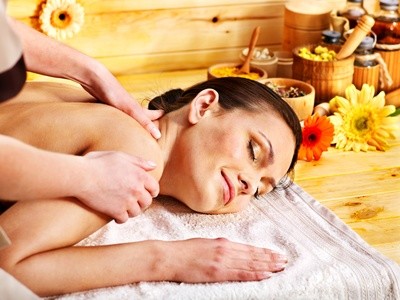
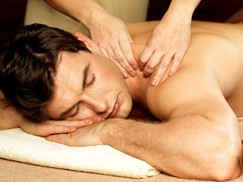
Deep tissue sport massage can help relieve this pain and stiffness. This specialized therapy is applied to athletes and sports enthusiasts who commonly experience deep muscle tissue stiffness from practicing and performing the same sport or exercise regularly. Deep tissue sport massage therapy helps release muscle knots and scar tissue. Slowly, it stretches muscles to increase range of motion and flushes away lymphatic toxins. This will help hasten the healing process of strained muscles, trigger points, and correct muscle imbalances.

Delayed onset muscle soreness is expected after deep tissue sport massage therapy. This is due to muscular micro-tears that occurs within the fascia. Patients are shown how to perform light stretches to prevent the muscles from healing in a shortened state and rather, to regain their full health with better range of motion and muscular contraction.

To find out more about deep tissue sport massage, contact Massage Revolution.
Massage for Neck Pain Relief: 4 Ways it Can Help

Massage Revolution - Trigger Point Massage Therapy FILED UNDER Blog

Who really knows where neck pain comes from. It just pops up from stress, a bad night’s sleep, a strain, who knows.

However, when it does pop up, too many people think it has to do with spine alignment and not about the muscles or tightness. 
 
It could be a problem with the spine or vertebra, but it could also be that the muscles in the neck are tight or constricted, or have landmine knots in them called trigger points.
 
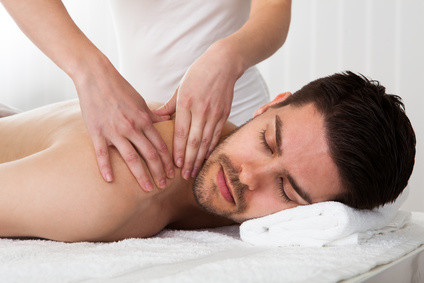
In fact, the cause of most neck pain are muscle imbalances, tight muscles, and trigger points, with the most important first step to get rid of it for good being highly skilled neuromuscular massage therapy, which details and releases the muscle spasms and trigger points like no other technique. 
 
Adults regularly report having neck pain and most likely everyone has experienced it. Most people come for neuromuscular massage with the complaint of chronic neck pain.
 
Massage for Neck Pain
1. Massage around the spine can be pain relieving and soothing. These muscles may alleviate tension within the neck. Therefore, any amount of specific, detailed neuromuscular massage and relaxation for neck painmay be beneficial.
 
2. Neuromuscular massage is the most scientific, evidenced based massage, and most valid approach of massaging the neck area that is sore,  distressed, or in pain. Treating the body holistically as a unit is crucial, as different areas of the body are connected to others, so overall attention to the spine in general is important.
 
3. Massage for neck pain is not just for pain management, but it can also be preventative. With regular neuromuscular massagepain after a trauma or accident may be reduced. This emphasis on pre-trauma health is increasingly based on research and evidence.
 
4Massage scheduled regularly will more significantly benefit neck pain.
 
Besides tight muscles and trigger points, the cause of neck pain can often be a mystery, but sometimes neck pain is transient. Preventive, ongoing massage is key. For more information, contact Massage Revolution.

Massage for Back Pain Relief: 4 Ways it Can Help

Free massages FILED UNDER Back Pain

What Causes Lower Back Pain?

Many people with low back pain are afraid that their pain is related to structural problems and spinal fragility. This is not usually the case.

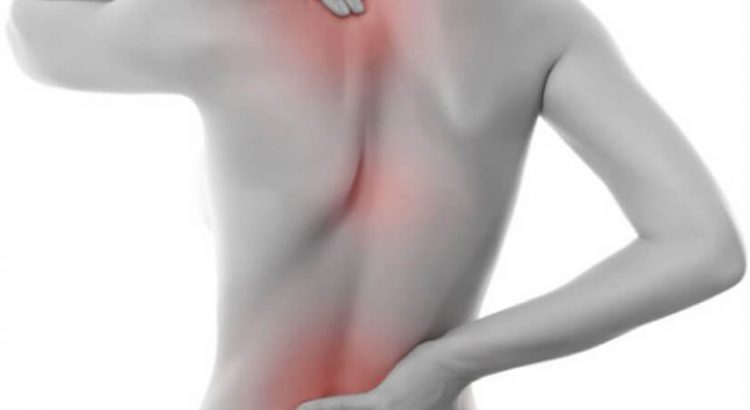
Lower back pain can be caused by many factors, including muscle imbalances, trigger points, lack of physical activity, injury, poor posture, obesity, stress, or even just picking up something incorrectly.

Fortunately, there are more and more studies that suggest that highly skilled, advanced deep tissue and neuromuscular massage therapy can help significantly reduce inflammation and provide relief from chronic back pain.

In fact, a study on massage for back pain showed that both Swedish massage and deep tissue massage are equally effective at improving lower back pain and painful symptoms.

Relaxation and structural massage provide healing benefits.

How Massage for Back Pain Helps

If you are one of the many who suffers from lower back pain, below are some ways that regular massage for back pain can bring serious relief:

1. Increased blood flow. Increased blood flow is a known proponent of muscle recovery and studies confirm that massage therapy helps improve general blood flow and reduces soreness.

2. Decreased tension. While muscle tension is needed by the body to maintain body posture and general movements, too much tension causes pain and muscle restriction. Massage therapy is proven to decrease muscle tension.

3. Increased endorphins. Endorphins are the feel good chemicals in the brain. Massage tactics generate these endorphins, which are known to reduce pain and produce a sense of euphoria.

4. Heat application. Superficial heat during massage is also recommended for lower back pain. Warm stone massages, hot towels, and heat packs are ideal add-ons for massage related to lower back pain.

The Takeaway

Research shows that massage therapy is a clinically proven method to reduce symptoms of widespread and debilitating lower back pain.

If you experience lower back pain, contact Massage Revolution’s Back and Relief Center.

Carpal Tunnel Syndrome and Sports

Massage Revolution - Trigger Poing Massage for Back and Neck Pain FILED UNDER Blog

Carpal tunnel syndrome (CTS) is the most common and well-known nerve entrapment condition, often called neuropathy, affecting and causing symptoms in your entire shoulder girdle, arms, hands, and fingers. It’s basically a pinched nerve in your extremities somewhere between your neck and hand. Often people think that carpal tunnel syndrome (CTS) affects only the all day prolonged computer or desk worker yet that’s far from reality.
Though Carpal tunnel syndrome symptoms can affect anyone, does it surprise you that it’s quite common in some of the most active people, such as athletes? Let’s look a little closer at the reasons for why carpal tunnel symptoms are so prevalent in even who we consider to be the most elite fit athletes…

Have you noticed how quite a few sports, such as baseball, cycling, tennis, and golf, require you to grip tightly for long intervals without any rest? This greatly fatigues the neck, shoulder, and forearm muscles, tendons, ligaments over time, stressing the joints, and creating muscle imbalances. These muscle imbalances create rounded shoulders and forward head posture, often put press on nerves as well as create pain landmine knots called “trigger points.” Ultimately, you’re left with pain and numbness, even tingling in your hands, arms, fingers. Additionally, any type of colliding accident in sports jamming the wrist can cause carpal tunnel syndrome symptoms. The key is knowing the best carpal tunnel syndrome treatment and prevention.

In addition to therapies such as manual therapy, soft tissue therapy, massage, neuromuscular therapy, to the neck, shoulder and arm muscles along the course of the median nerve (the elbow, shoulder, neck, for example), is quite effective to carpal tunnel syndrome prevention and to provide lasting relief to CTS symptoms. Treating CTS symptoms often includes non-surgical methods such as wearing a wrist splint primarily at night and using anti-inflammatories such as ginger, turmeric, and bioflavonoids.

There’s often many modifications athletes are able to make to their sport to avoid placing stress on their wrist. They can also work with other healthcare providers to manage conditions like diabetes, hypothyroid, or certain types of arthritis that can cause or contribute to CTS symptoms.

Lastly, training the CTS sufferer in specific postural exercises they can do throughout their daily activities to improve muscle balance, is often the most effective treatment and carpal tunnel syndrome preventative solution.

Early prevention is most important for CTS as it’s often at the root cause a postural distortion and muscle imbalance issue, leading to pressure on nerves and pain causing trigger points. The more you focus on muscle balance and good posture, the more you prevent the symptoms from occurring.